Thursday, June 22, 2023

How to find the Best Burlington Dentist for me?

If you are in need of a dentist in Burlington, you may feel confused and overwhelmed about where to start looking. It's possible that you're new to the area or that your previous dentist moved out of the area, retired, or closed their practice, or that you're looking for a new dentist altogether. You and your family deserve high-quality dental. So, how do you decide on a new dentist? Take into consideration the important aspects that are outlined in the following list:

dentist Burlington

A good reputation

Check the profiles of potential dentists to ensure that you are going to someone who has a solid history and a good reputation in the community. Look up reviews written by previous patients online. You can also find patient reviews on the websites of many dentists by reading the posts patients have left on the dentist's social media pages or looking for dentists who have patient reviews on their websites.

Kids-friendly dentist

When children in the house have toothaches or difficulties associated with teething, it can be hard to bring them to the dental clinic to get treated when they feel scared or frightened of the dentist altogether. A dentist who is kind to children and is familiar with them on a personal level will make kids want to go to the dentist. They will be happy to go to a dentist who makes visits fun, memorable, and educational helping to foster a love of oral hygiene for years to come.

The demeanor of the staff

From the front desk to hygienists and the dentists in the clinic it is important that they care about your well-being and comfort. They demonstrate patience and respond to your concerns with compassion all while taking care of your dental health. When a patient is scared, anxious, or stressed, staff who care and are willing to take time to ensure patient comfort can turn a bad visit into a great one.

Up-to-Date technology

These days, in order to keep patients distracted during dental procedures technologies such as teledentistry, 3D dentistry, and virtual reality are available. To facilitate efficient treatment, the dental office should be well-stocked with up-to-date dental technology. A dentist who keeps up with the times by investing in the appropriate technologies cares for their patient's wellbeing. You can count on these dentists to provide high-quality dental care.

To know more about finding the best dentist in Burlington visit https://desiredsmiles.com/ or call us at (905) 637-5463.

Tuesday, July 12, 2022

3 Steps Treatment for TMJ Therapy

Smiling, laughing, chatting, and chewing are all facial movements that you make on a daily basis without giving them any thought. Those basic movements, however, might cause a lot of pain if you have the temporomandibular joint disorder (TMJ).

temporomandibular joint disorder

There are things you may do to ease and manage temporomandibular joint (TMJ) pain, fortunately.

1. Recognize the causes of TMJ pain

It may be difficult for our dentists to pinpoint the exact reason for your TMJ pain based on your medical history. There are a variety of variables that might impact the TMJ or exacerbate TMJ disorder. Patients who have recently had a jaw joint injury, for example, are more likely to develop TMJ conditions.

You could have a TMJ problem as a result of teeth grinding or even arthritis. Osteoarthritis and rheumatoid arthritis, which induce joint inflammation and stiffness, can wreak havoc on the TMJ. It can be difficult to figure out why you're having jaw pain because there are so many reasons for TMJ problems.

2. Recognize the signs and symptoms

The following are some of the most common TMJ symptoms:

  • Tinnitus
  • Headaches
  • Toothaches
  • Neck aches
  • Jaw pain
  • Clicking jaw joint
  • Facial tenderness or pain

Not sure if your symptoms are related to TMJ disorder? We recommend seeing one of our TMJ dentists if you identify any of these symptoms in yourself. They'll be able to inspect your teeth and take dental x-rays to see if your jaw joint is in need of repair.

3. Seek TMJ therapy

By effectively controlling TMJ symptoms, the majority of patients are able to continue leading productive lives. However, if you have significant symptoms that are interfering with your quality of life or if your symptoms are getting worse, you may need surgery.

In that situation, you should speak with your primary care physician about whether TMJ surgery is the best treatment option for your problems. Surgery is the last option after other pain management methods don't work.

For more information visit https://desiredsmiles.com/.

Wednesday, May 4, 2022

5 Objectives You May Need Reconstructive Dentistry

Reconstructive Dentistry

Any dental procedure that repairs or replaces a tooth with the purpose of restoring both the appearance and function of the teeth is referred to as restorative dentistry.

Restorative dentistry can help you save your smile if you have a chipped tooth or a gap from a removed tooth. Although this is the most common type of dentistry, many people are unaware of how effective it can be in altering their teeth’s structure and improving their function.


Restorative dentistry is a branch of dentistry that focuses on restoring your smile's health and function. Tooth decay, gum disease, and injuries can all leave your smile looking worn out, crooked, or unfinished. The goal of restorative dentistry is to repair these issues and help you regain a complete, healthy smile. Many restorative dental procedures are also beneficial in terms of appearance. 


Here are 5 Objectives You May Need for Reconstructive Dentistry


  1.  To get the smile you’ve always wanted

Veneers are a restorative dental procedure that can improve the appearance of your smile by making it whiter and brighter. Veneers are thin covers for your teeth that are custom-produced to look exactly like your original teeth and can correct issues including discoloration, malformed teeth, teeth that are too large or too tiny, misaligned teeth, or gaps.


  1.  You have lost a tooth

Even one lost tooth can lead to further oral health problems. When a tooth is lost, the teeth adjacent to the gap may shift. This not only alters the appearance of your smile, but it can also make maintaining good oral health more challenging. Food and germs can become trapped in fissures caused by crooked or displaced teeth, leading to increased decay and the risk of gum disease.


  1.  Tooth erosion

Tooth erosion happens when your teeth are exposed to acid in your mouth on a frequent basis or for an extended period of time. Enamel is tough, but when it comes into contact with acid, it becomes softer and more prone to eroding or cracking. Acidic drinks and stomach acid are the most common sources of acid. Acidic drinks like soda and wine are fine in small amounts, but they can be severely destructive to teeth if consumed many times a day or sipped over a long period of time.


  1.  Periodontal disease

Periodontal disease is a condition that affects the teeth and gums. Periodontal disease can loosen your teeth, causing them to shift and become crooked and crowded. Periodontal disease causes the gums to recede, exposing the tooth roots, which are susceptible to decay. Loose teeth are more susceptible to trauma, and they may need to be extracted to treat Periodontal disease.


  1.  Chipped/broken teeth

A crown is a crucial technique to restore your smile if you have broken or chipped teeth. A crown is a tooth-shaped shell or cap that is placed over an existing tooth that is damaged and needs to be improved. Crowns are made by obtaining an imprint of the damaged tooth and fabricating a permanent crown to suit the tooth that has to be restored. The crown will be placed on the tooth once it is ready, and your smile will be as good as new.


Get the smile of your dreams and optimal oral hygiene, book an appointment today at Dr. Heidary Family Dentistry and visit https://desiredsmiles.com/ call us at (905) 637-5463.

Wednesday, April 6, 2022

What is Restorative Dentistry? It’s Procedure & Cost

Restorative Dentistry

Restorative dentistry includes any dental procedure type that is utilized to restore the teeth following some damage type. If your tooth is not appropriately restored, you might suffer from further dental health issues. A typical example is tooth filling. When tooth decay happens and leads to a cavity, it is significant to address the problem quickly. If not, it might cause you to lose your tooth eventually.

The terms cosmetic dentistry and restorative dentistry are oftentimes misconstrued. People think they are nothing but the same, but the major difference between these dentistry types is the reason for the procedures to be done. Cosmetic dentistry is focused on the appearance of the smile, while restorative dentistry is concerned with the dental problems that if not resolved soon could cause further dental health issues.

Major restorative dentistry procedures

If your oral issues are not fixed with basic restorative dentistry procedures, then your dentist will suggest you opt for major restorative procedures to help restore your dental health. These procedures will require you to make more than one visit to the dentist to get them done. You need to opt for the best dentist and make some regular visits before things get out of hand wherein your dental health gets compromised.

Dentures

Dentures are a feasible alternative for many people who if not will never have teeth in either the lower or upper gums. Dentures repair oral functions for people who have gone through severe teeth loss.

Bridges

They are like partial dentures. They can be created to replace several teeth. Bridges are typically permanently inserted and so you need not be concerned about them getting out of the mouth. But, this necessitates grinding down your healthy teeth on both sides to utilize as an anchor point in the majority of cases.

Implants

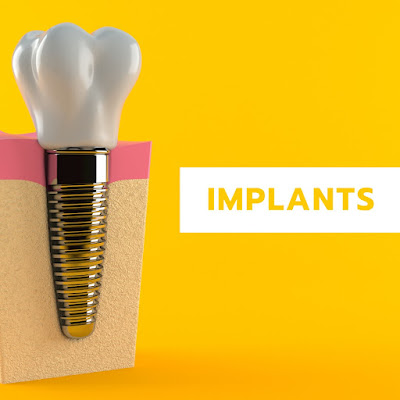
Implants are an oral prosthetic that is most like your natural teeth. They are secured by implanting a titanium post into your jawbone which serves as a substitute for your tooth root. The dentist will then mount a crown on top of it.

Cost of restorative dentistry

The basic restorative procedures are quite inexpensive. The cost of major restorative dentistry procedures depends on the type of procedure you require. If you have oral insurance, several restorative processes will be covered under the dental plan. But, any procedures that the insurance firm deems as cosmetic are not typically covered.

The experts at Dr. Heidary Family Dentistry strive to offer every patient the bright, beautiful smile they deserve. As a general dental practice, they offer a variety of general dentistry, surgical options, and cosmetic services including children’s dentistry, family dentistry, restorative dentistry, cosmetic dentistry, sleep dentistry, smile makeovers, child and adult orthodontics, and Invisalign.

Tuesday, March 22, 2022

6 Points That Helps You Choose Between Clear Braces and Invisalign - Which One Is Best for You

Clear Braces and Invisalign

Crooked teeth have a negative impact on one's self-confidence and self-esteem. Furthermore, people may form a bad initial impression as a result of your crooked smile.

As a result, people are seeking orthodontic treatment to improve their teeth's appearance. More people are opting for clear braces or Invisalign to achieve that ideal smile. Choosing between braces and Invisalign is a difficult decision. Do you want to make your grin more attractive without destroying your selfies? For your orthodontics, here's how you pick between clear braces and Invisalign.

Here are 6 differences between braces and Invisalign to help you choose the right one for you:

1.    Material

Braces have been metallic for a long time. They are attached to the outside of the teeth by orthodontists. Ceramic and lingual braces are taking the world by storm when it comes to tooth straightening. These braces are preferred by the majority of adults. Ceramic is used in the braces, and it mixes in beautifully with your teeth. Your orthodontist will recommend the best braces for you. Metallic braces might look great if you don't mind the hue. However, if the thought of clear braces appeals to you, look into ceramic braces.

You'll use ligatures to keep the archwires in place, whether you choose ceramic hidden braces or metal braces. These rubber bands have holes in them. Furthermore, the usage of wires in braces can obstruct the effective treatment. Invisalign, on the other hand, uses computer-generated aligners. They're crystal clear and silky smooth. They are more pleasant for most users than metal braces.

Braces can be inconvenient because of the brackets and wires. You can avoid potential soft tissue irritation using Invisalign. However, before choosing what works best for you, you'll need to examine more than the material of these tooth modifications.

2.    Appearance

Invisalign became a popular choice of treatment primarily because of its appearance. Invisalign are clear plastic, while braces are made of metal. Different coloured metal braces are preferred by some kids but most children and adults prefer the transparent look.

3.    Comfort

Invisalign, however, is more comfortable than traditional braces because it places less pressure on the teeth as a whole. Sharp edges on braces can cause cuts. If you or your child participates in sports, metal braces can pose a safety risk if they come into contact with another person.

4.    Care

Cleaning is usually easier with braces because you may brush and floss as usual. If there is food stuck in the metal, you may need to clean it with a smaller brush.

Brushing and flossing are the same with Invisalign, but keeping the trays clean takes a little more effort. Cleaning the Invisalign trays' crevices might be a pain, especially if you're away from home. There can also be a build-up of bacteria or solid food if cleaning isn't done properly.

5.    No Danger with Hard or Chewy Foods

Hard and chewy foods like nuts, popcorn, and bagels, need to be avoided to prevent damage or irritation when one is wearing braces. But because people with aligners can remove them before eating, they don’t need to avoid these foods.

6.    Cost

Traditional braces are usually the more economical alternative than Invisalign.

The cost of Invisalign varies based on how many trays are required which is different for everyone, however, aligners, in general, are considered more expensive than braces. Before making a decision, discuss everything with your orthodontist.

To know more visit https://desiredsmiles.com/ or call us on (905) 332-0105.

Wednesday, March 2, 2022

Dental Tips for Kids and Parents - Pediatric Dentistry

Children’s Dentistry

Your child's oral health is extremely important for their overall well-being. Every parent wants their children to have optimal dental hygiene.  As a parent, you can use a variety of paediatric dental strategies to ensure that your child's teeth are in good shape.

Here are some basic paediatric dentistry ideas to improve your child's smile, from frequent dental appointments to tooth-healthy meals.

  1. Book dental appointments regularly.

Make sure your child visits the dentist regularly. Every six months, your child should visit the dentist for regular cleanings and check-ups. During tooth cleanings, the dentist can remove any plaque or tartar that has built up. Tartar may only be removed by a professional cleaning; brushing and flossing will not suffice. If plaque and tartar aren't eliminated, tooth decay and cavities can occur.

Cleanings aren't the only reason for a child's dental visit.

During a routine visit, your child's dentist will ask if you have any questions and can provide additional paediatric dentistry advice. Your dentist will also examine your child's teeth to ensure that no problems arise. If something is wrong, catching it early is crucial. Any problems should be discovered as soon as possible so that they can be treated. Any damage to your child's healthy grin will be minimised if treatment is started early.

  1. Use proper brushing techniques.

Brushing may seem like a no-brainer when it comes to paediatric dental, but there's a reason for that! If your youngster doesn't know how to clean their teeth properly, microorganisms that cause cavities and plaque can build up. Brushing your child's teeth properly is a simple and effective strategy to improve his or her smile. These instructions can help you brush optimally: Using your toothbrush, squirt a pea-sized amount of toothpaste on it. Brush gently away from your gums at 45 degrees. Brush the teeth and gums gently back and forth with short strokes with the toothbrush. Continue to brush the inner and exterior surfaces of each tooth with the toothbrush. To reach behind the front teeth, hold the brush's tip in an upright position.

  1. Maintain a tooth-healthy diet.

Consider how your child's nutrition is influencing their teeth, which is a lesser-known paediatric dental tip. Your child's dental health can be harmed by a variety of meals. Keep sugary foods away from your child's mouth to boost his or her smile. Sugar feeds bacteria, which produces acid, which causes tooth decay and cavities. They should also stay away from sticky, starchy foods. These foods can stick to teeth and give germs to breeding habitats.

Your youngster should eat items that are healthy for their dental health in addition to avoiding sugary snacks. Include foods like cheese and yoghurt in your diet to help decrease your mouth's pH, which can neutralise plaque acid and lessen your risk of tooth decay.

  1. Getting into the right frame of mind.

For many children, good oral health begins with the development of habits. If you can teach your child the importance of brushing and flossing, both you and your youngster will reap the benefits. Follow these guidelines to ensure that your child's teeth and gums are strong, healthy, and attractive. Then, every six months, go to the kid-friendly dentist for a check-up and assessment.

  1. Keep coming to see the kid-friendly dentist.

It can be stressful and tense when it comes to convincing your child to visit the dentist’s office.  These check-ups, on the other hand, are critical for maintaining good dental health. The hygienist will clean and polish your teeth during a wellness check-up. The teeth and gums will be examined by the dentist. This allows the dentist to spot any developing issues. The dentist will then be able to recommend the best course of action for resolving the issue.

To ensure optimal dental hygiene for your children, consult pediatric dental experts at Dr.Heidary Family Dentistry, visit https://desiredsmiles.com/ or call us on (905)637-5463.

Friday, February 18, 2022

All You Need to Know About Dental Implant Surgery

dental implants burlington

When you lose one or more teeth, the dentist might recommend dental implants. It is considered the most effective and permanent option for tooth restoration. It involves a surgical procedure, which most people translate into a painful and expensive procedure. Let’s clear your doubts about dental implants which are the most cost-effective option in the long run.

What exactly are dental implants?

To restore your smile, you can opt for a dental implant. It is a titanium piece that is inserted through a surgical procedure to replace the roots of the lost tooth. It works better than dentures and bridges because the abutment and the crown will improve the appearance and the overall functioning. Dental implants can be used to replace one tooth or multiple teeth. It is going to be a multi-step process, which can be related to commitment and patience.

What happens during the surgery?

Dental implants are only suitable for those who have a healthy jaw bone structure and are not suffering from any kind of chronic illness. For instance, the surgical procedure obviously requires a healing phase and for people with diabetes, the healing may take longer than expected and may cause complications. So, if you are planning to get dental implants, it is important to consult and get yourself assessed properly.

  • Before the surgery: The treatment begins with an oral assessment. Using the latest technology for screening, the orthodontist ensures that you have the adequate bone structure to support the implant. If not, then related procedures like bone grafting and sinus lifts are recommended at this phase.

  • During the surgery: The surgery can be completed within an hour when a screw-like piece is inserted into the site of the lost tooth. The site is then covered with sutures and you are expected to wait for three months to completely heal it.
  • After the surgery: You are expected to stay on a soft diet for 10 days or unless the soreness subsides. If there is discomfort, you might need a follow-up treatment. The bone tissue and the gum tissue may take anywhere between 3 to 4 months to get permanently healed, after which the restoration is done by putting a crown over the abutment. 

Final word

The results of dental implant surgery are always worth it. You can eat, chew and speak better and there won’t be any clicking sound like you get while wearing dentures. If interested, get in touch with Dr. Heidary Family Dentistry which is a renowned family dental clinic in Burlington.

Friday, January 28, 2022

3 Best Ways to Fix Spacing in Teeth

Do you see a space between the teeth when you smile? How big of a gap it is? Is it big enough to fit your small finger? Regardless of your reasoning for fixing teeth gaps, you are not alone. Numerous people opt for cosmetic dental treatments to improve their smiles.

A gap in the smile isn’t a terrible thing, but it might be a concern for your dental health. For some people, baby teeth gaps are normal; it is how the teeth erupted into the mouth. For some others, teeth gaps are forced owing to an injury or the result of decay or various other oral conditions.

how to fix teeth gaps

If you are looking for how to fix teeth gaps, your dentist can offer a variety of oral treatments to help lessen or close the gap between the teeth. Several different methods are exercised for closing teeth gaps. The decision mostly depends on the gap size and the required outcome from a cosmetic and functional viewpoint. Depending on the gap cause, the expert will talk about your options. Here are some typical gap treatments.

Direct bonding

This treatment involves the addition of tooth-colored filling material to the teeth’s side close to the gap. Bonding for teeth gaps is a cost-effective, simple and conservative alternative. But, if the shape and the color are not attractive, the results might be suboptimal.

Dental braces

To fix teeth gaps that are large, braces are the ideal option particularly if there are other issues present, like bite problems and teeth alignment problems. If the color, size, and shape of your teeth are satisfactory, oral braces can offer good results. But, if they are not pleasing, then you might need to undergo additional treatments like veneers. This might increase your treatment cost. Also, you need the patience to wear braces for teeth gaps as it normally takes around 12 to 18 months to get used to and observe the results. Clear retainers can also help close the gap.

Composite veneers

If you wish to fix teeth gaps that range in the size of small to medium and involve slight discoloration or bad shape, you can opt for composite veneers as they help cover the entire tooth surface. Closing teeth gaps utilizing these veneers necessitate minimal tooth preparation and they are generally less expensive when compared to porcelain veneers. Since they are directly built as you sit on the oral chair, the results will depend on the clinician’s skill.

The experts at Dr. Heidary Family Dentistry about their patients and are dedicated to ensuring that you feel safe and secure. Their caring staff does their best to offer you the best possible experience.

Friday, December 31, 2021

12 things you should know about Root Canals

Dealing with excruciating toothache lately? Maybe you need a root canal. Many people ignore this pain because they are basically denying the terrifying procedure and cost of the treatment. There is nothing to be afraid of this wonderful tooth restoration treatment. To put your concerns at ease here is a list of top things that you should know about root canals.

Endodontics / Root Canals

1.      What does it mean to get a root canal treatment?

It is a tooth restoration procedure that is often recommended when the tooth roots are infected. Dentists will remove the infected pulp from the tooth roots and properly seal the openings for oral health.

2.      How long will it take to complete the root canal treatment?

It is one of the most common concerns of busy people that how long does a root canal take? The time taken is based on the severity of the infection. You may need to visit the dentist’s office more than once to get it done.

3.      What is the cost of root canal treatment?

The root canal cost may vary depending on the location of the infection. For getting your molars treated you have to pay more as compared to the front teeth.

4.      How painful is the treatment?

During the procedure, you will be sedated and won’t feel anything. After the anesthesia wears out you might experience slight discomfort for the next 24 hours, for which you can take painkillers prescribed by the dentist.

5.      How to know if you need root canal treatment?

Apart from a toothache, swelling and puss-filled gums are common signs. Besides, you may notice slight discoloration on the tooth which needs root canal treatment.

6.      Is it okay to feel pain for a prolonged duration?

Slight soreness or pain is absolutely normal. After getting your tooth roots cleaned, the peak discomfort will be experienced for the next 12-24 hours.

7.      What happens after the treatment procedure is done?

Until the anesthesia wears off, you should avoid chewing or biting. After that, you can continue your normal activities along with regular brushing and flossing.

8.      Can the infection reoccur after the treatment?

You should go on follow-up visits so that the dentist can make sure that there is no sign of infection.

9.     What is root canal recovery period?

You will be back to your normal activities within a week.

10.   From where should I get my root canal treated?

The treatment involves specialty diagnosis, so make sure you find a trusted endodontist for it.

11.   Is root canal worth it?

When the infection gets severe you may lose the tooth, so it is best to get timely intervention.

12.   What are the alternatives to root canal?

After a dentist’s consultation, you can think about alternatives like dentures, bridges, or dental implants.

The unbearable pain of infected roots can impact the quality of your life. So why wait anymore? To know more about what is a root canal, and is it the right choice for you, consult Dr. Heidary Family Dentistry which is a trusted family dental clinic.

Tuesday, December 7, 2021

5 Good Reasons to Keep Flossing

Have you flinched from keeping flossing tools in the bathroom because you came across some article that said flossing isn’t the right dental practice? If so, then take a moment and think how are you supposed to keep the small spaces between the teeth clean? Brushing alone cannot help in achieving hundred percent results. Flossing thread is a savior and its benefits are more than just one.

flossing teeth benefits

What is flossing?

Flossing is an oral hygiene habit that aims at cleaning and dislodging the food stuck between the teeth. This helps in reducing plaque and bacteria in the oral region. Relying solely on brushing will be detrimental to your dental health. So instead of a choice, flossing has to be a part of your oral care.

What are the 5 good reasons to keep flossing?

By making flossing a priority you can get rid of the unwanted foreign particles that make space between your teeth. It could be some leftover piece of chicken or a spinach leaf that refuses to come out despite brushing. Some of the benefits of flossing are:

  • Reduces risk of cavities:  Tooth decay results in cavities! Though the process takes time, the more is the accumulation of plaque on your teeth, the chances of tooth enamel getting eroded gets increased, and hence the chances of cavities increases. Flossing can help in getting rid of hidden food particles and thus this minimizes the development of plaque and cavities.
  • Prevents gum diseases: If gingivitis is untreated, it leads to periodontitis. By flossing, you can reduce the chances of developing gum diseases.
  • Prevention of plaque: Excessive intake of sugar and sticky food items, smoking, alcohol consumption, etc leads to the formation of plaque which is a colorless sticky film formed between and around the teeth and gum line. Plaque can harden into tartar and result in gum diseases. By flossing regularly, you can prevent the accumulation of plaque.
  • Reduces bad breath:  Trapped food in the mouth gets decayed and is the major reason behind bad breath! To overcome the problem of halitosis (bad breath) flossing is a must.
  • Prevents heart diseases:  Good oral hygiene has a direct relationship with a healthy heart. If plaque and bacteria enter your bloodstream, chances of developing heart diseases increase. Flossing is an effective way of preventing any such problem.

Visit www.desiredsmiles.com for more information on how to floss and its importance.

5 Major Advantages of Root Canal Treatment

When you hear the words "root canal," you may become a little nervous. However, the process, also known as endodontic therapy, has...